For an unknown reason – or maybe just because I wasn’t paying enough attention – Netflix has showed me the third season of The Sinner first. I’ve only realized this when I was shocked by the end of the last episode (ok, I’ll try not to spoil anything if there is anyone who has not watched it yet and intends to) and noticed that the season Netflix automatically played next was, well…the first one.
It was somehow funny because I don’t particularly like the main character, Harry Ambrose, and I was not sure that I wanted to see the other seasons too, now that I’ve already seen where the show goes.
But I did watch the first two or three episodes of season one – and I do not regret it! In case it wasn’t already clear from the third season, I then understood that this show is actually perfect for what was my main interest in these last years – trying to find answers to questions like:
- what makes people (turn) evil?
- what makes them commit crime? (Did I mention that now my favourite shows are Criminal Minds, The Alienist, Ratched and documentaries about serial killers? And that I have bought a few Criminology books too?)
- can evil be explained?
- is evil born or made?
From what I’ve seen so far, the show made me think that:
- evil is made and trying to find an explanation for it is worth it – as long as you don’t let the quest for truth consume you.
- the title, The Sinner, refers not only to the transgressors, but also to the detective that investigates them.
- Harry’s observations about the state of the plants, like “Pinus Strobus. You see those white pines across there? They got a blight. An ecosystem out of balance” that seem so out of the blue in the show might actually refer to something more than just plants. They can very well be interpreted as metaphors for the decaying state of the offenders he investigates – or of the whole world. And, of course, his own.
- the last idea seems correct especially in the context of the third season, when we see him bond with Jamie – they actually plant a tree together, which I believe that, metaphorically, suggested the connection they had and the fact that Jamies’s ideas will powerfully resonate with Harry.
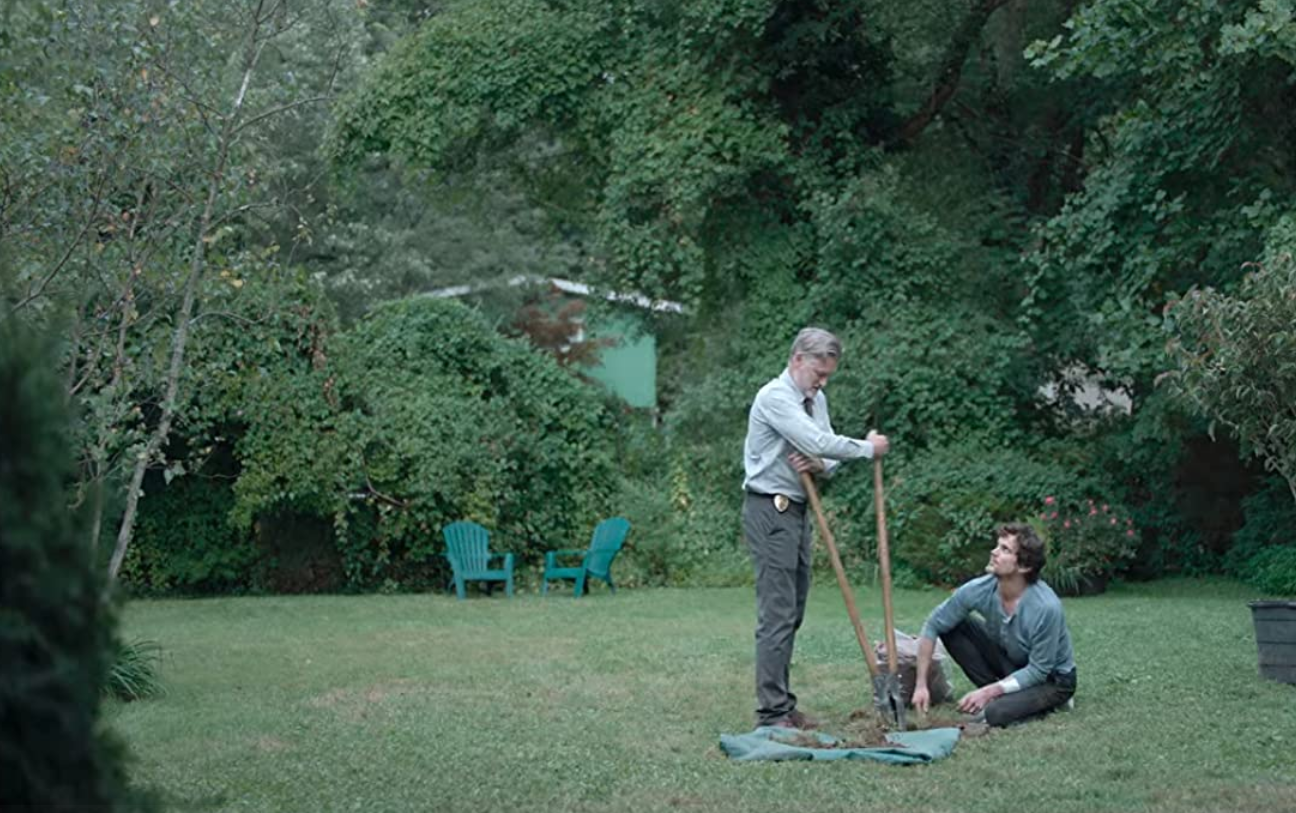
I’ll probably come back to this little article when I’ll finish all the available episodes – while waiting for season 4. 😀
P.S.: Have you watched the show? Will you do it? Tell me if so!
Update 1:
Alright, I have seen the first two seasons – I loved the first one, Cora Tannetti’s case really was pretty fascinating. Loved it!
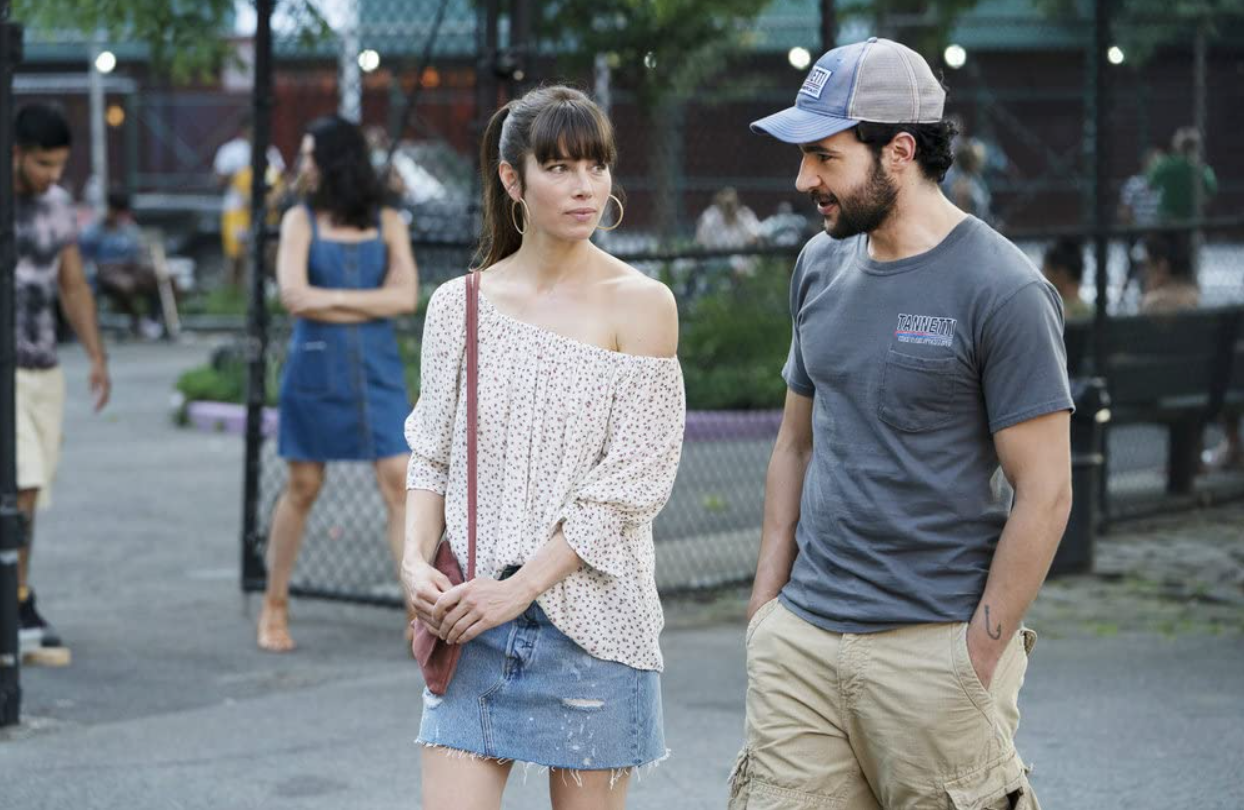
Without spoiling anything, I will only say that I’ve noticed how Harry Ambrose always tried to help the first two “sinners”. However, this did not happen with Jamie – quite the contrary.
The next question in my mind: why? What made Harry behave like this in Jamie’s case?
My guess right now…
- because Jamie wasn’t honest from the start and Harry didn’t appreciate this, not after what happened with Julian at the end of season two…
OR:
- because of what happened at the end of season two, Harry wanted to repent for his own sins, but couldn’t quite admit what he did and projected everything onto Jamie – who, well, kept repeating him that the two of them are the same.
So now, yes, I’ll watch season 3 again to see which of my hypotheses makes more sense. 🙂
 Elena`s